
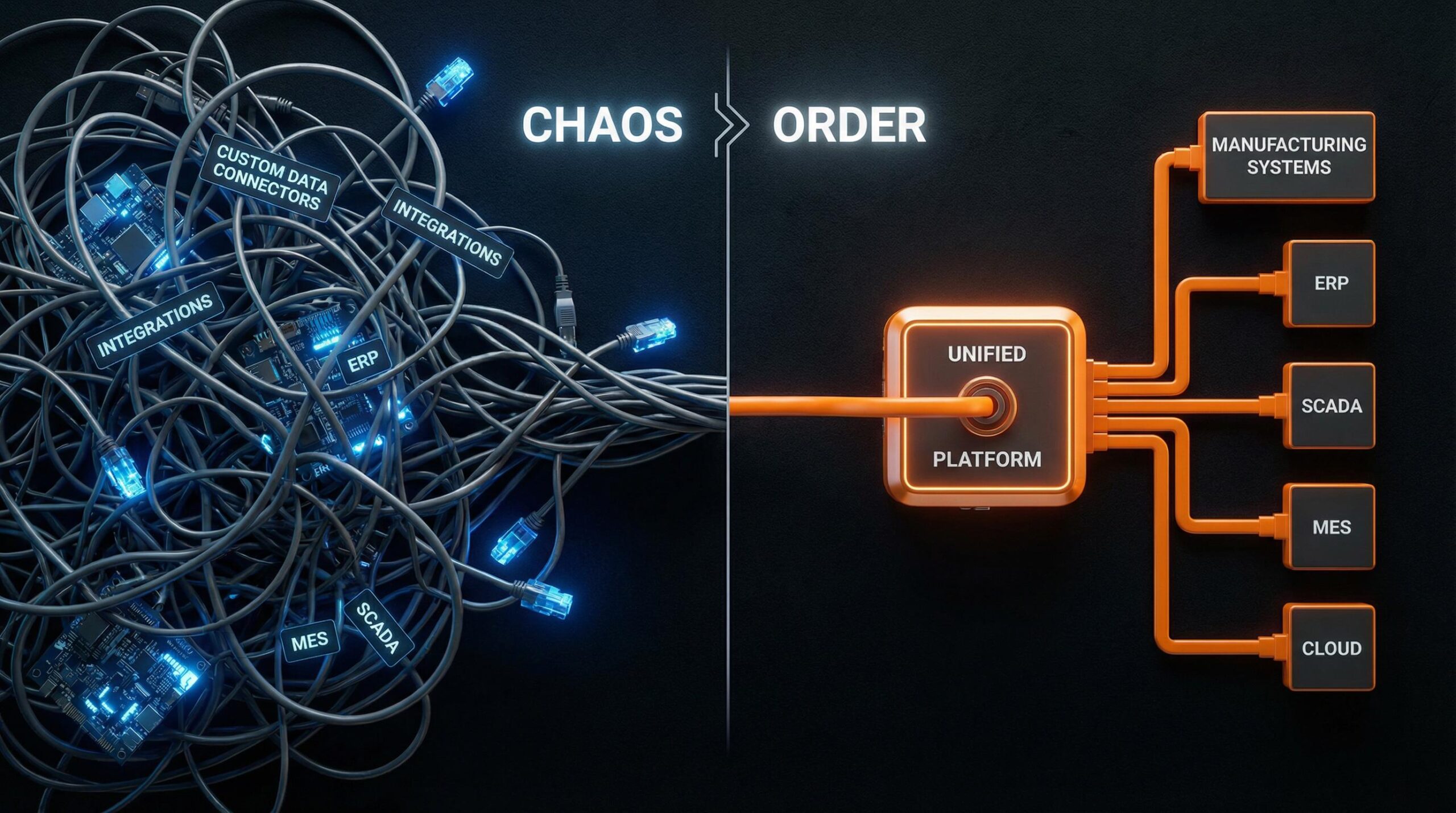
“We’ll just use Claude directly” is one of the most common responses firms have when evaluating AI adoption right now. It’s an understandable instinct — the model is powerful, the sticker price looks simple, and it feels like the leaner option next to buying a full platform. It’s also, in almost every case, more expensive than it looks.
What the surface-level cost actually includes
Using Claude for Financial Advisors directly typically requires a Claude Cowork subscription and an Enterprise license. Industry estimates already put the realistic, fully-loaded cost at roughly $70 to $120 per user per month — before a firm has built a single custom workflow. That’s the starting line, not the total.
What the DIY price tag doesn’t show you
The real cost of a do-it-yourself AI workflow shows up after the subscription is signed:
- Integration engineering. Connecting Claude to a custodian, a CRM, a planning tool, and a compliance system isn’t a checkbox — it’s ongoing engineering work, often requiring dedicated technical staff or expensive contractors to build and maintain each connector as vendor APIs change.
- Compliance review, repeated. Every new data source or workflow touching client information needs its own compliance and security review. A DIY build means a firm’s compliance team is auditing a patchwork of custom integrations instead of one governed system.
- Maintenance debt. DIY workflows don’t stay finished. APIs change, models get updated, connectors break. Someone has to own that upkeep indefinitely, and that someone is usually an internal hire whose time now has an opportunity cost.
- No vendor accountability. When a purpose-built platform gets something wrong, there’s a vendor responsible for the fix. When a firm has assembled its own workflow around Claude, the firm owns the failure — including, in a regulated industry, the liability question of who’s responsible when an AI-assisted output turns out to be wrong.
- Advisor time lost to workarounds. A DIY workflow rarely covers every edge case on day one. Every gap becomes a manual workaround an advisor has to perform — quietly eating into the very time savings AI was supposed to deliver.
A rough comparison
| Cost category | DIY (Claude direct) | Purpose-built platform (JIFFYAI) |
|---|---|---|
| Base subscription | ~$70–$120/user/month | Platform-based, typically bundled |
| Integration build | Ongoing engineering cost, per connector | Included, pre-built and maintained |
| Compliance review | Repeated per data source | Single governed compliance surface |
| Maintenance | Owned internally, indefinitely | Owned by the vendor |
| Liability on errors | Held by the firm | Shared contractually with the vendor |
| Time to full deployment | Months, often longer | Weeks |
The line items on the left rarely make it into the initial budget conversation — which is exactly why DIY looks cheaper than it turns out to be.
The real question isn’t cost. It’s total cost of ownership.
A firm evaluating “Claude alone” versus a purpose-built platform like JIFFYAI shouldn’t be comparing subscription prices. It should be comparing total cost of ownership over 12–24 months, including engineering time, compliance overhead, maintenance burden, and the advisor hours lost to gaps a DIY build hasn’t yet covered. When firms run that full comparison, the “cheaper” DIY option is very often the more expensive path — just with its costs spread out and harder to see upfront.